
Future of Blue-Collar Jobs in India: Navigating the Gig Economy Transformation
The landscape of work in India is undergoing profound changes, driven by technological advancements, economic shifts, and evolving societal expectations. As we enter 2026, the blue-collar sector—encompassing roles in manufacturing, logistics, construction, and services—remains a cornerstone of the economy, but it is increasingly intertwined with the gig economy and artificial intelligence (AI). Organizations must adapt their talent strategies to address persistent challenges such as skill shortages, supply chain disruptions, wage inflation, and socio-economic inequalities. The staffing industry plays a pivotal role in this rearchitecture, helping businesses build resilient workforces amid these dynamics.
The organized Indian staffing sector has shown robust growth in recent years. From a valuation of approximately USD 18.06 billion in 2022, the market is projected to reach USD 48.53 billion by 2030, reflecting a compound annual growth rate fueled by demand across sectors. In 2024-2025, white-collar recruitment surged by 19% in September 2025 compared to the previous year, with overall hiring trends indicating a 9% growth in the job market for 2025, particularly in IT, retail, and financial services. Meanwhile, the informal sector, which employs a significant portion of blue-collar workers, continues to grapple with unemployment and structural inefficiencies, though the gig economy is bridging some gaps by offering flexible opportunities.
Youth Employability in Temporary and Gig Staffing
Youth participation in flexible staffing has accelerated, with blue-collar roles increasingly appealing to educated entrants. By 2025, an estimated 70% of the 90 million new jobs projected in India by 2030 are expected to be blue-collar, driven by infrastructure, energy transitions, and manufacturing demands. The gig workforce is projected to expand to 24 million by 2030, with freelancers and platform workers in sectors like e-commerce, logistics, and delivery leading the charge. This shift is augmented by AI integration, where young workers with vocational skills enhanced by technology are in high demand. As Mahindra Group Chairman Anand Mahindra noted, AI could transform “blue-collar” jobs into “gold-collar” opportunities by elevating practical skills and increasing their value. Sectors such as IT/ITES, BFSI, healthcare, and retail/e-commerce continue to prioritize skilled flexi workers, with a notable uptick in graduates entering gig roles for their adaptability.
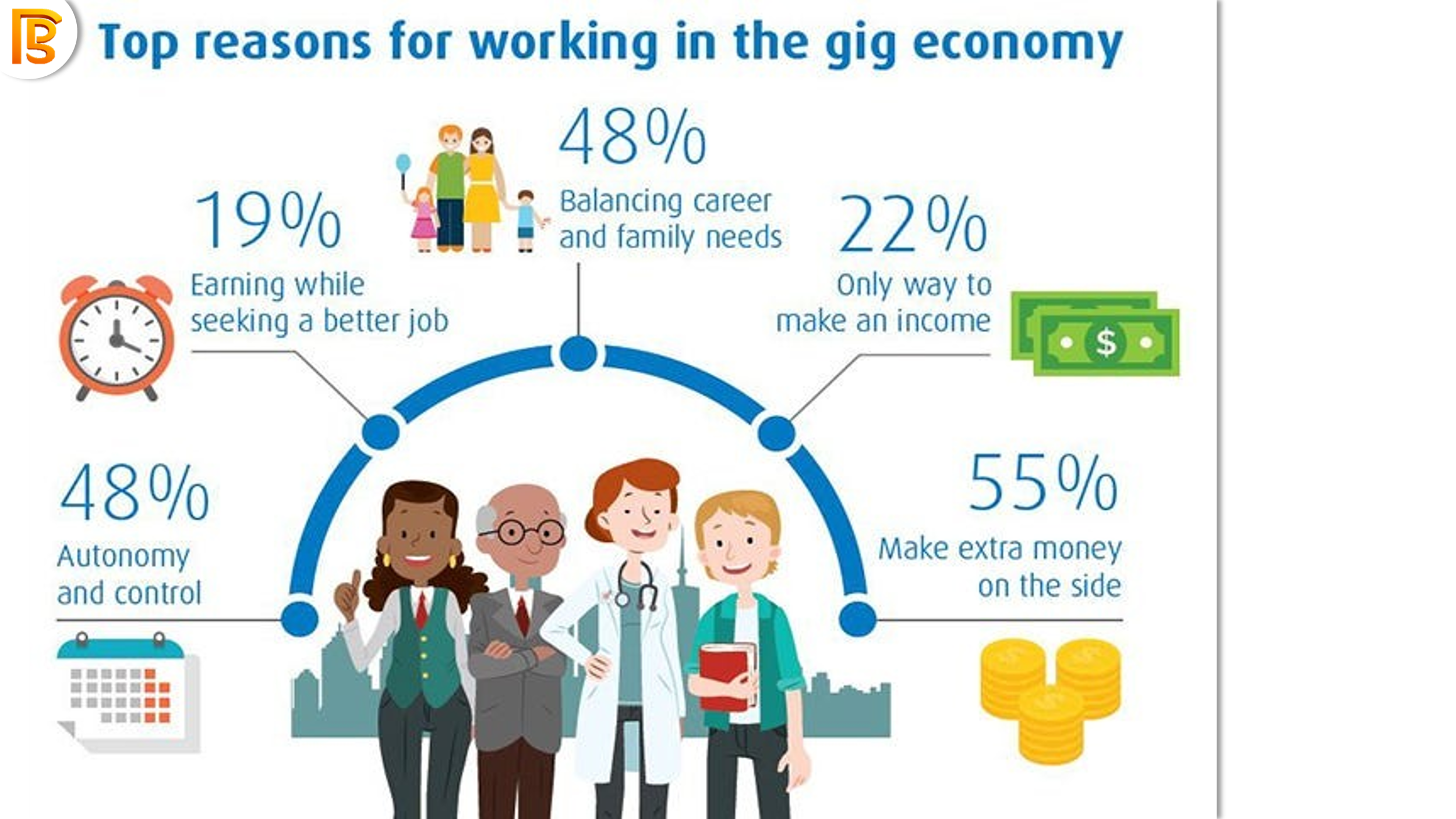
Rising Women’s Participation in the Gig Economy
Women’s workforce participation has seen incremental gains, particularly in flexible and gig arrangements that accommodate work-life balance. In the gig economy, women constitute around 28% of platform workers as of 2025, though overall participation remains low at 8-28% across studies, highlighting gender disparities. The NITI Aayog estimates the gig workforce could reach 23.5 million by 2029-30, with women benefiting from flexible hours in roles like delivery, caregiving, and freelance services. However, challenges such as precarity, lack of social security, and digital access persist. Policies aimed at fair contracting and skilling are essential to make the gig economy more inclusive, potentially empowering women to re-enter the workforce or pursue secondary careers.
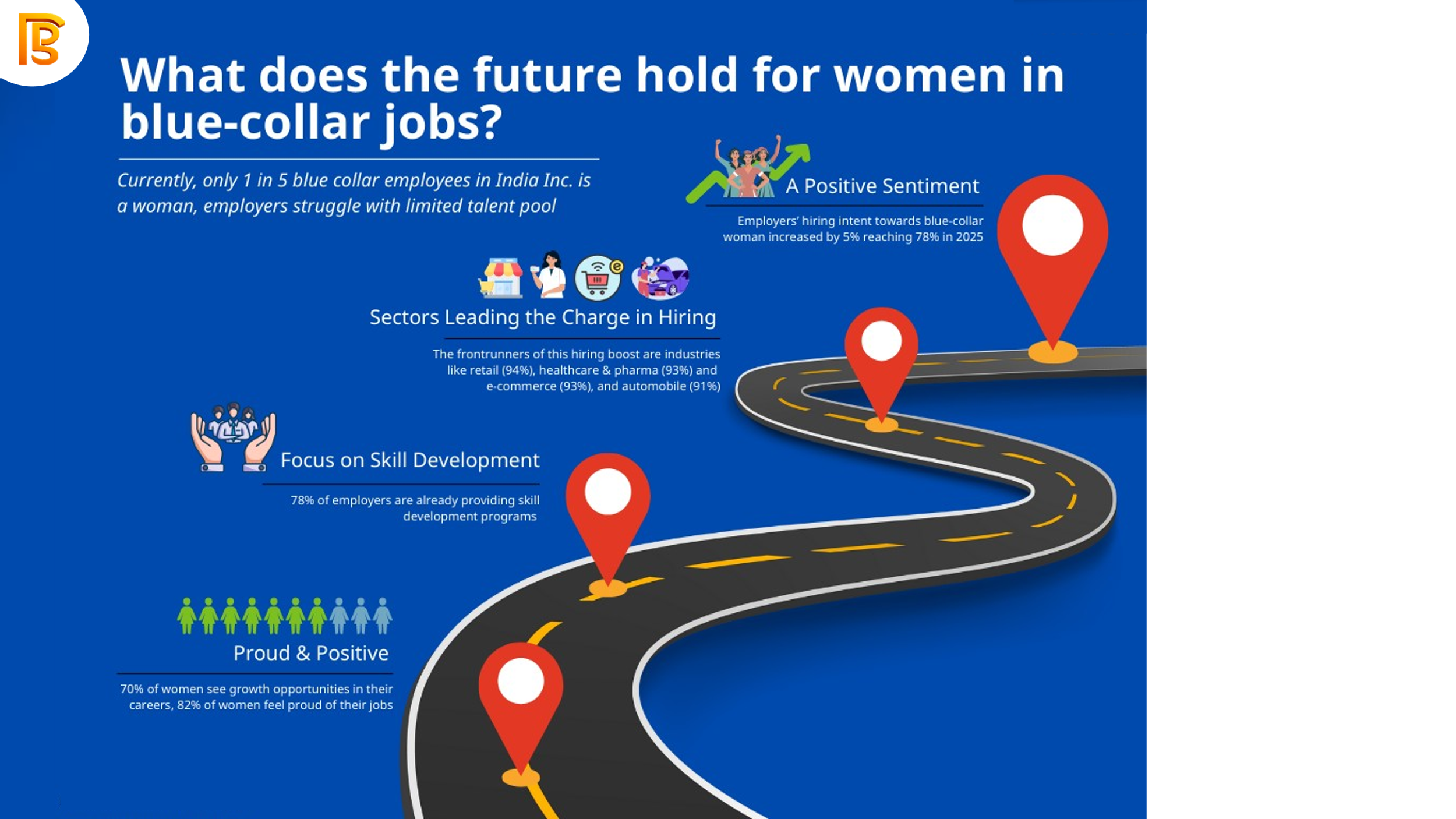
Surging Demand for Blue-Collar Jobs in the Gig Era
At the heart of India’s economic growth lies the blue-collar segment, which dominates the gig economy and generates significant revenue. Blue-collar gig jobs surged by 92% in 2024, fueled by e-commerce, delivery platforms, and consumer demand. Roles in food delivery, logistics, maintenance, driving, and security are expanding exponentially due to urbanization and rising consumption. Globally, temporary staffing is split between commercial (55%) and professional (45%) roles, but in India, blue-collar gigs are the primary driver. As AI reshapes industries—transforming 86% of businesses by 2030—the demand for AI-augmented blue-collar skills in manufacturing and services will rise, countering job displacement fears.
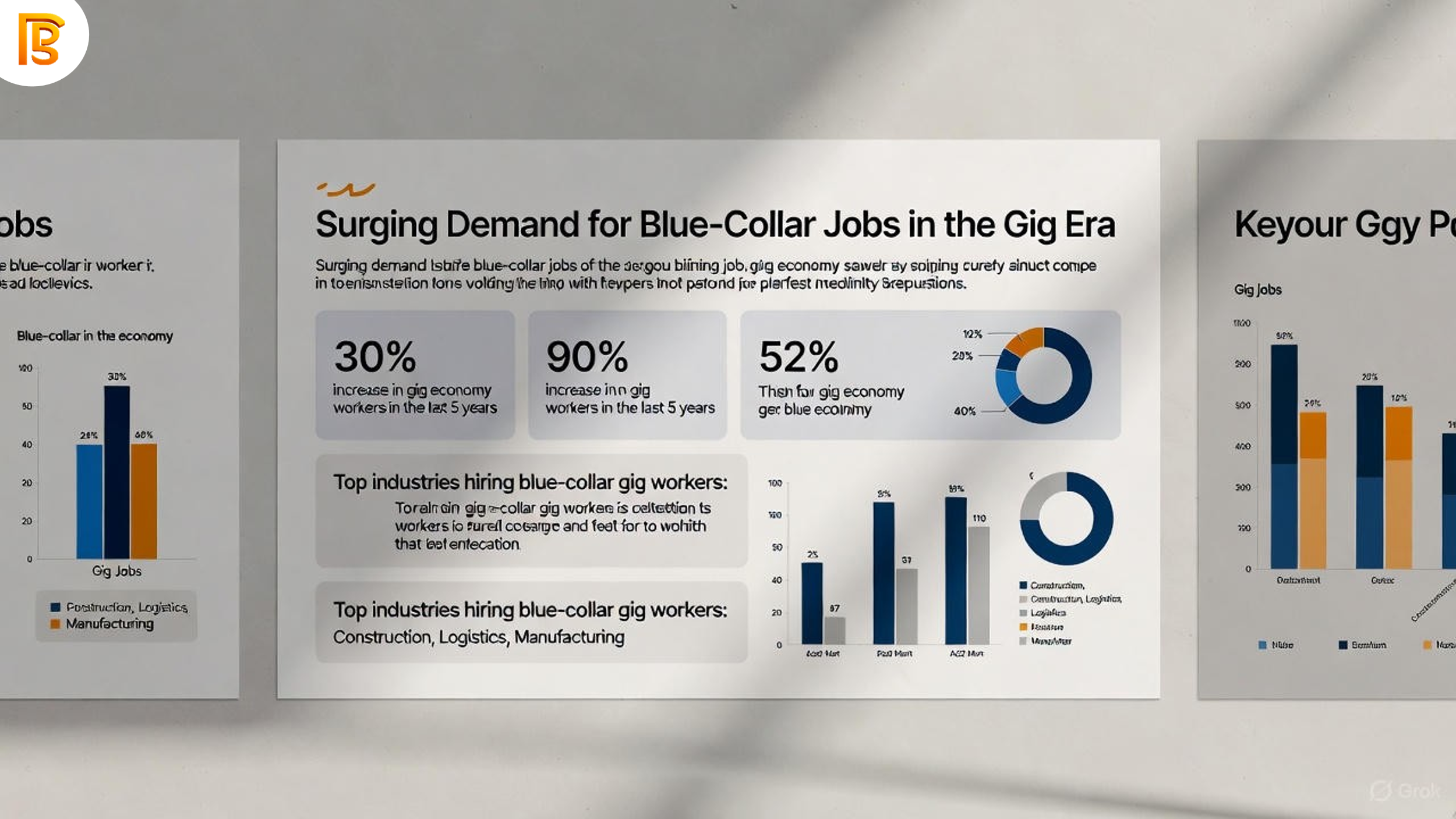
Interstate and International Talent Mobilization
Migration patterns for blue-collar workers have evolved, with internal shifts from Tier 3 cities and rural areas to Tier 1 and 2 hubs remaining dominant. States like Bihar, Uttar Pradesh, West Bengal, Madhya Pradesh, Odisha, and Chhattisgarh continue to supply workers to sectors such as gig economy platforms, logistics, infrastructure, and manufacturing. However, international migration to the Middle East surged by 50% in the first seven months of 2024, driven by opportunities in the UAE and GCC nations, where demand for skilled Indian blue-collar workers rose by 25% from May 2023 to April 2024. Domestically, rising wages and gig opportunities are making overseas options less attractive, though global shifts may influence decisions in 2025-2026.
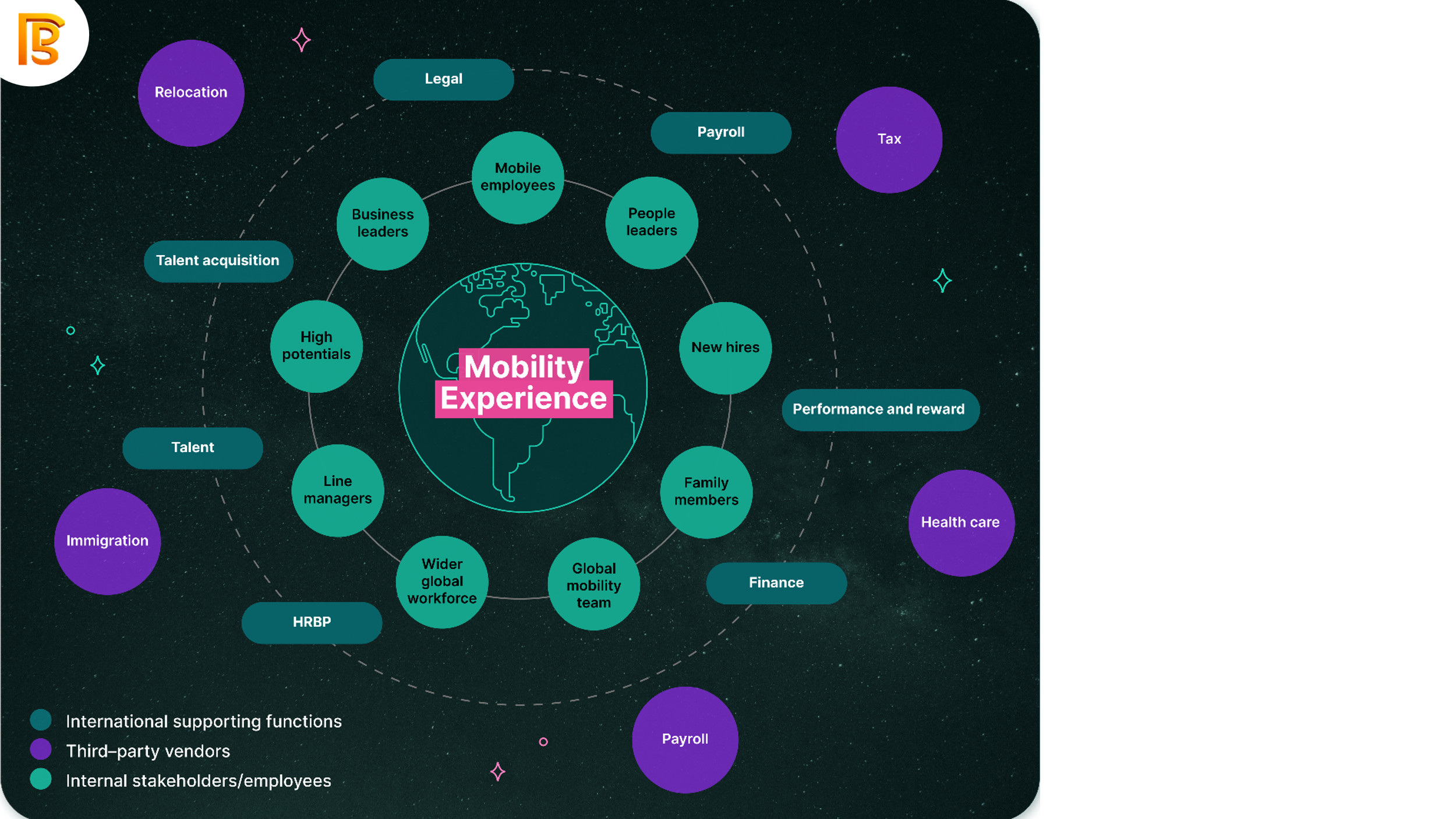
Digital Literacy: A Necessity in the AI-Driven Gig Economy
The pandemic accelerated technology adoption, and by 2025, digital literacy has become indispensable for blue-collar workers. In logistics and manufacturing, workers are upskilling in AI, automation, and data tools to remain competitive, with industry leaders reporting a 20% shortage in digitally literate talent. Platforms like Digital Labour Chowk are emerging as “LinkedIn for blue-collar workers,” facilitating job matching and verification. Government initiatives and academia are supporting this transition, ensuring that digital skills span all demographics and regions.
Enhanced Engagement and Well-Being
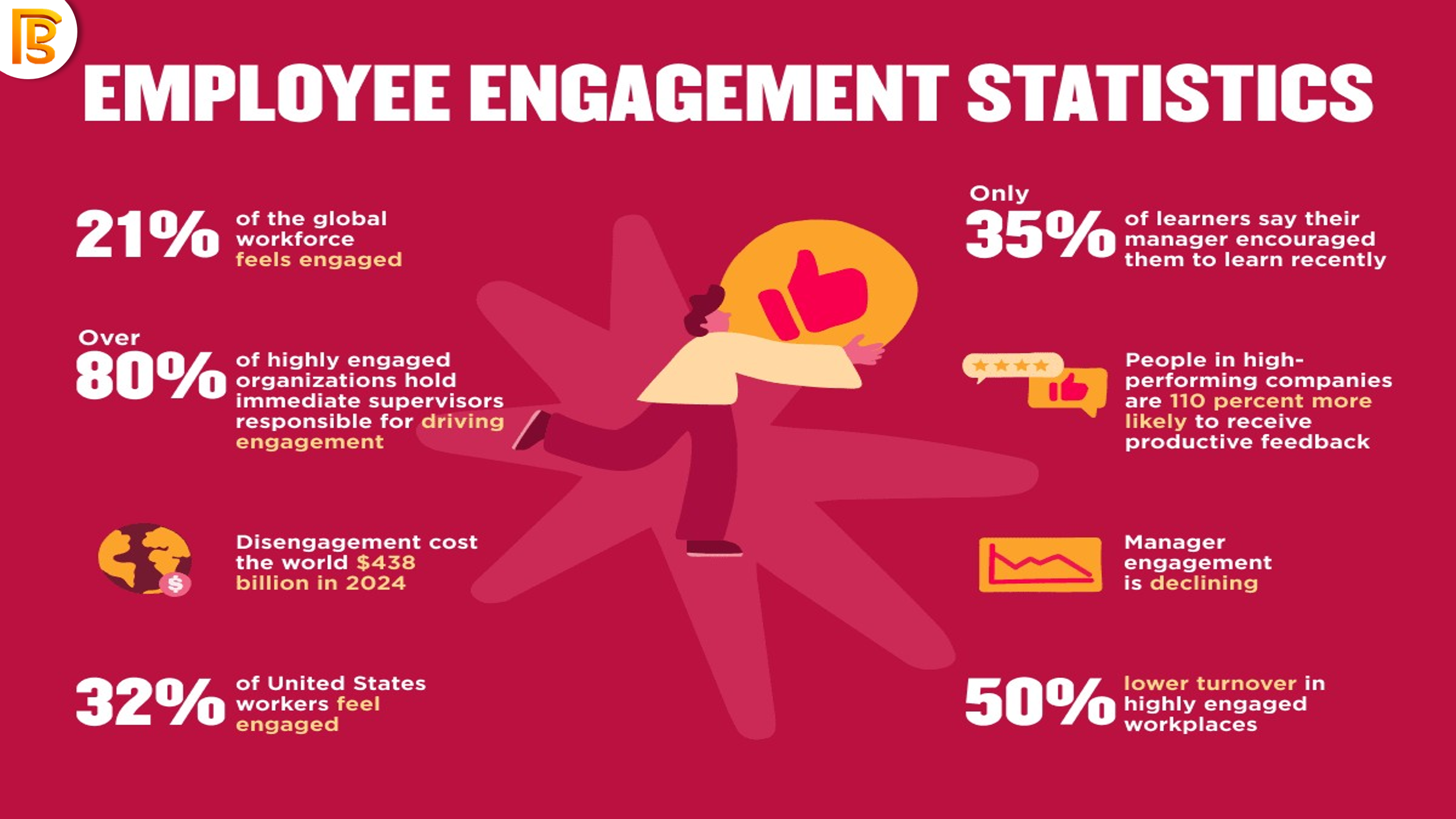
Blue-collar workers, recognized as essential during the pandemic, now enjoy greater respect, better wages, and social security in organized gigs. Engagement levels have risen, with plentiful opportunities offering dignity and stability. However, sustaining this requires well-being programs addressing mental health, physical safety, and inclusivity—especially as AI and automation reshape roles. In 2026, employers must prioritize these to retain talent in a competitive market
 sss
sss
Outlook: A Future-Ready Gig Economy
Looking to 2026 and beyond, India’s staffing industry is poised for steady growth in a stable macroeconomic environment. With AI projected to replace some jobs but create others—potentially displacing 85 million globally by 2025 while generating 97 million new ones—the blue-collar sector will thrive through upskilling. The gig economy’s transformation, aiming for 90 million workers by 2025-2030, will emphasize equity, sustainability, and tech integration. Startups and SMEs, key hirers of blue-collar talent, are leveraging this pool for innovation. Employee sentiment remains optimistic, positioning India as a global leader in the talent ecosystem. In this era of choice, employers tapping into India’s vast blue-collar and gig workforce will drive sustainable growth. At Prasum Sourcing Solutions, we are committed to connecting businesses with this evolving talent to navigate the future effectively.