
The Role of Emotional Intelligence in Exceptional Leadership
Effective leadership goes beyond strategic planning and directive authority—it involves motivating teams, building meaningful relationships, and steering people toward collective goals. Today’s most impactful leaders combine professional acumen with a critical interpersonal skill: emotional intelligence (EI).
Emotional intelligence refers to the capacity to recognize, understand, regulate, and influence emotions in oneself and others. In modern leadership, EI is foundational because it directly enhances collaboration, decision quality, resilience, and inclusive team environments. Below, we examine how emotional intelligence defines outstanding leaders and why it remains essential for sustainable success.
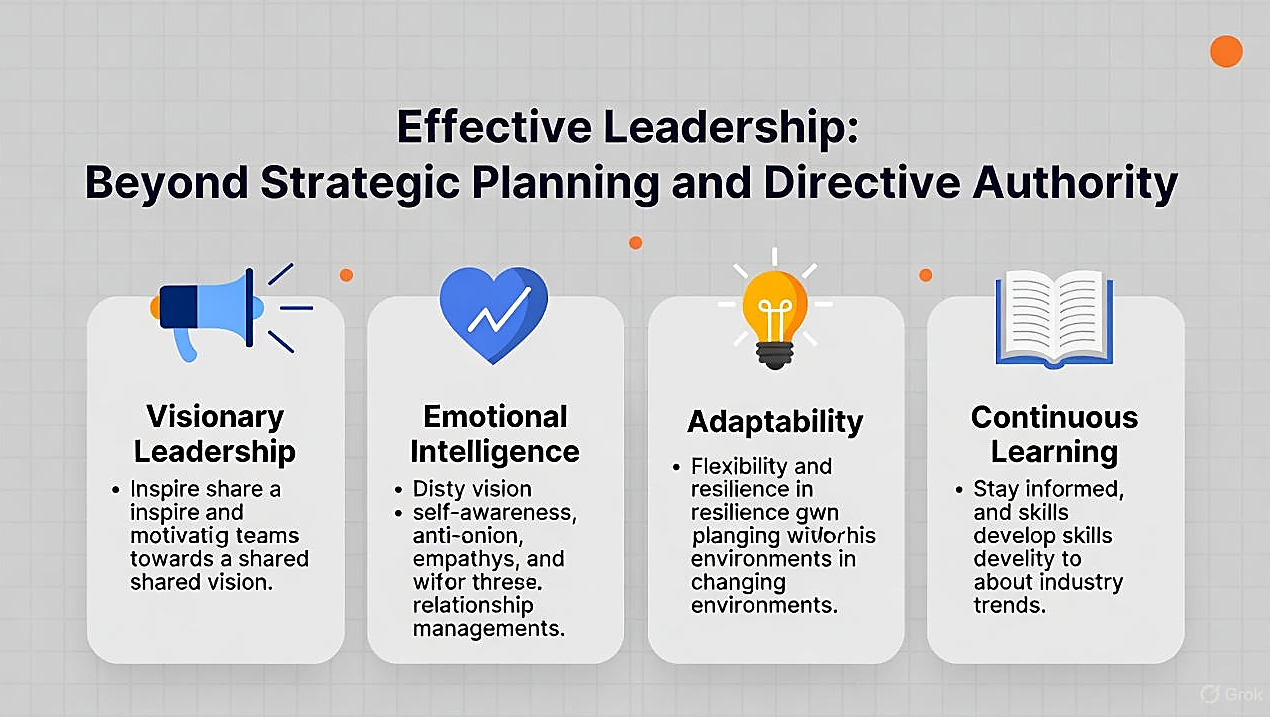
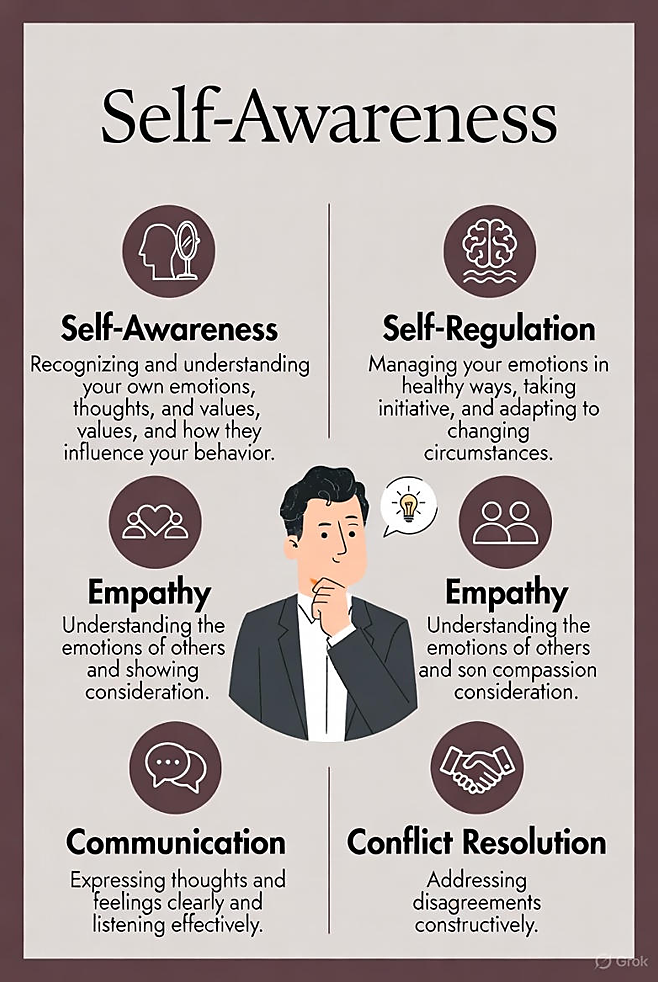
- Self-Awareness: The Starting Point for Authentic Leadership Exceptional leaders possess a clear understanding of their own emotions, biases, strengths, and limitations. This awareness prevents reactive behavior and promotes thoughtful, values-aligned choices. For instance, when a senior executive receives constructive yet critical feedback on a key initiative, an EI-savvy leader pauses to reflect, separates personal emotion from professional insight, and integrates the input to strengthen future outcomes.
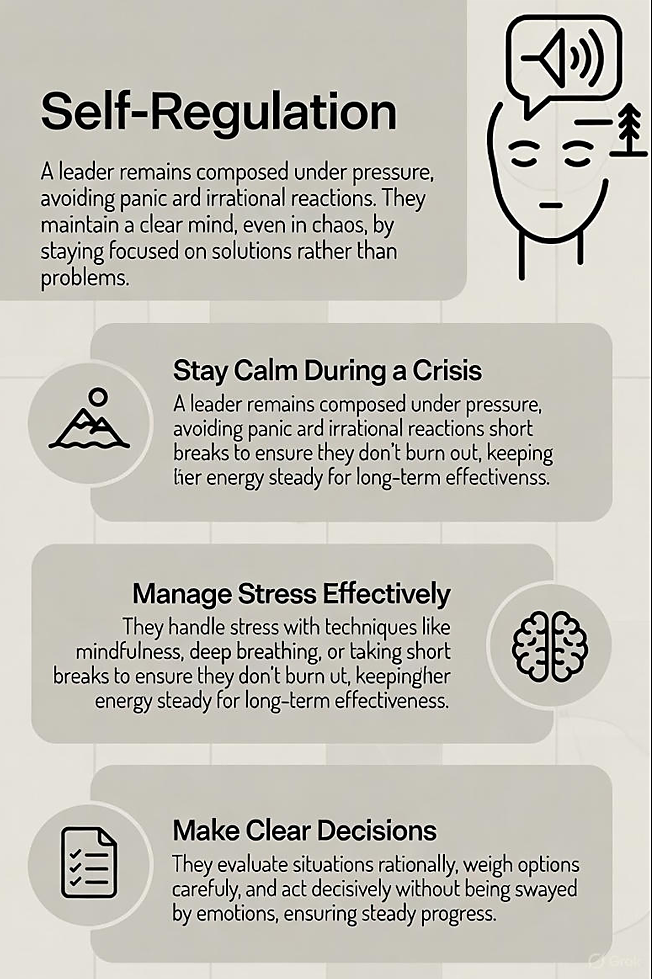
- Self-Regulation: Maintaining Composure in High-Stakes Environments Leaders frequently navigate uncertainty and pressure. Emotional intelligence allows them to control impulses, manage anxiety, and respond with clarity and fairness. During a sudden operational disruption, a team leader with strong self-regulation stays calm, shares information openly, and focuses on solutions—thereby reinforcing team trust and psychological safety.
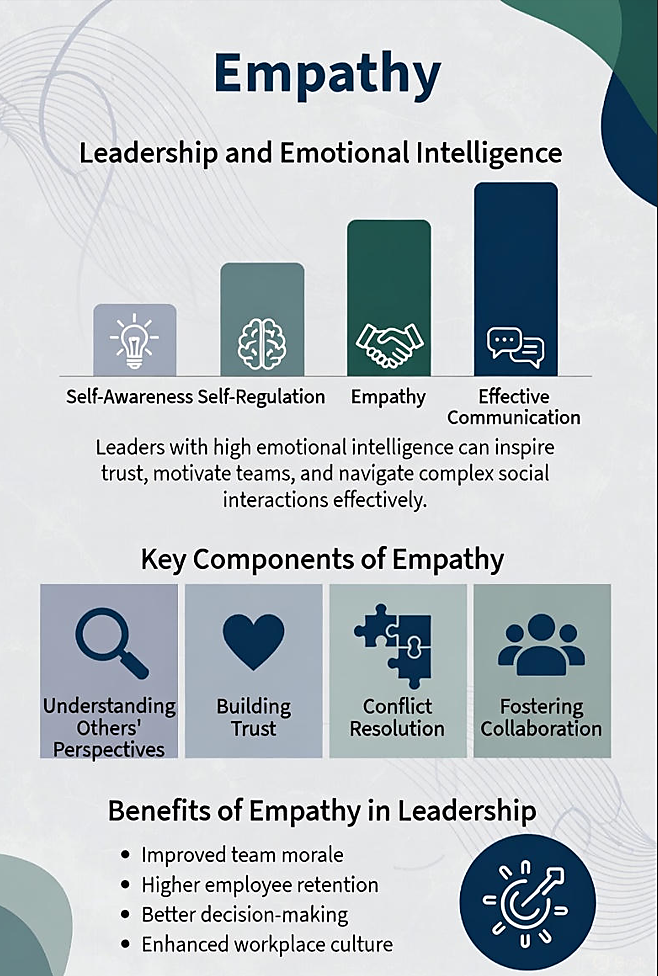
- Empathy: Building Trust and Psychological Safety Empathy—the ability to genuinely understand and value others’ feelings and viewpoints—is a cornerstone of inclusive leadership. It fosters belonging, encourages diverse perspectives, and supports employee well-being. When a leader observes signs of burnout or disengagement in a team member, they initiate a supportive conversation, listen without judgment, and provide appropriate resources, strengthening loyalty and engagement.
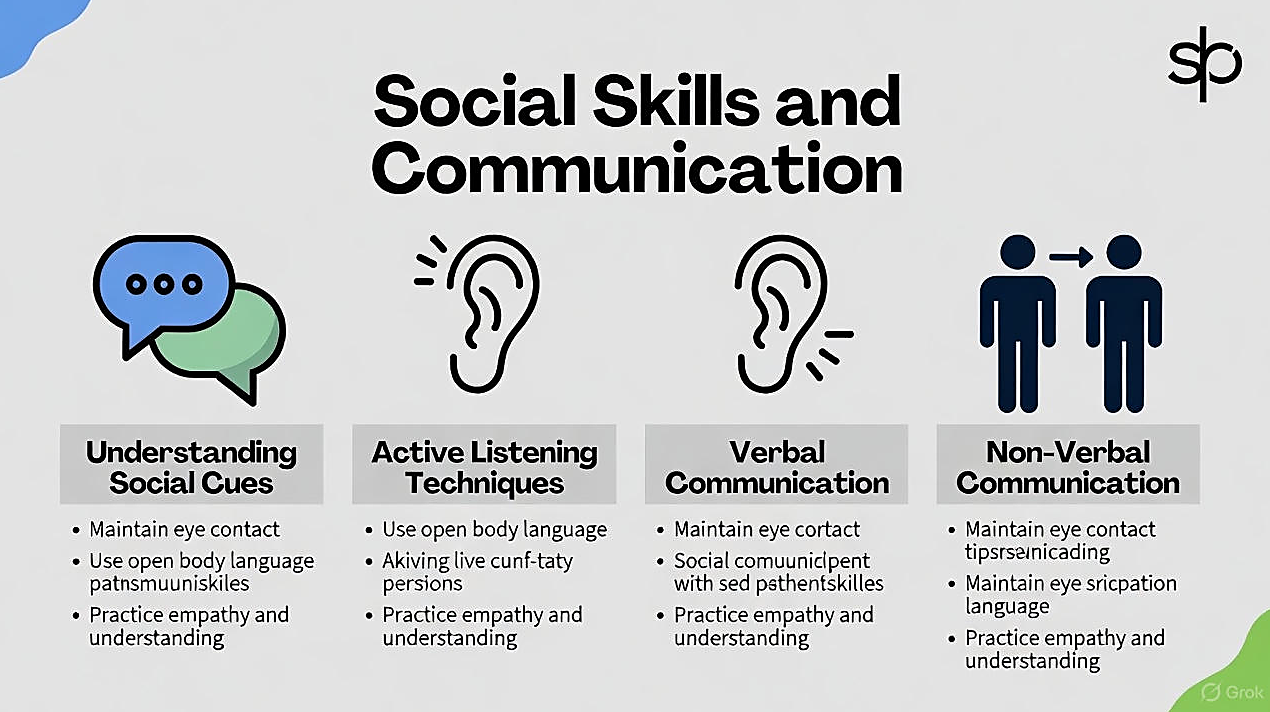
- Social Skills and Communication: Engaging and Aligning Teams Leaders with high EI adapt their communication style to the audience, read non-verbal cues, and deliver messages that inspire action and commitment. Following a significant organizational setback, such a leader acknowledges shared difficulties, validates team efforts, expresses belief in collective capability, and outlines a forward path—rebuilding momentum and morale.
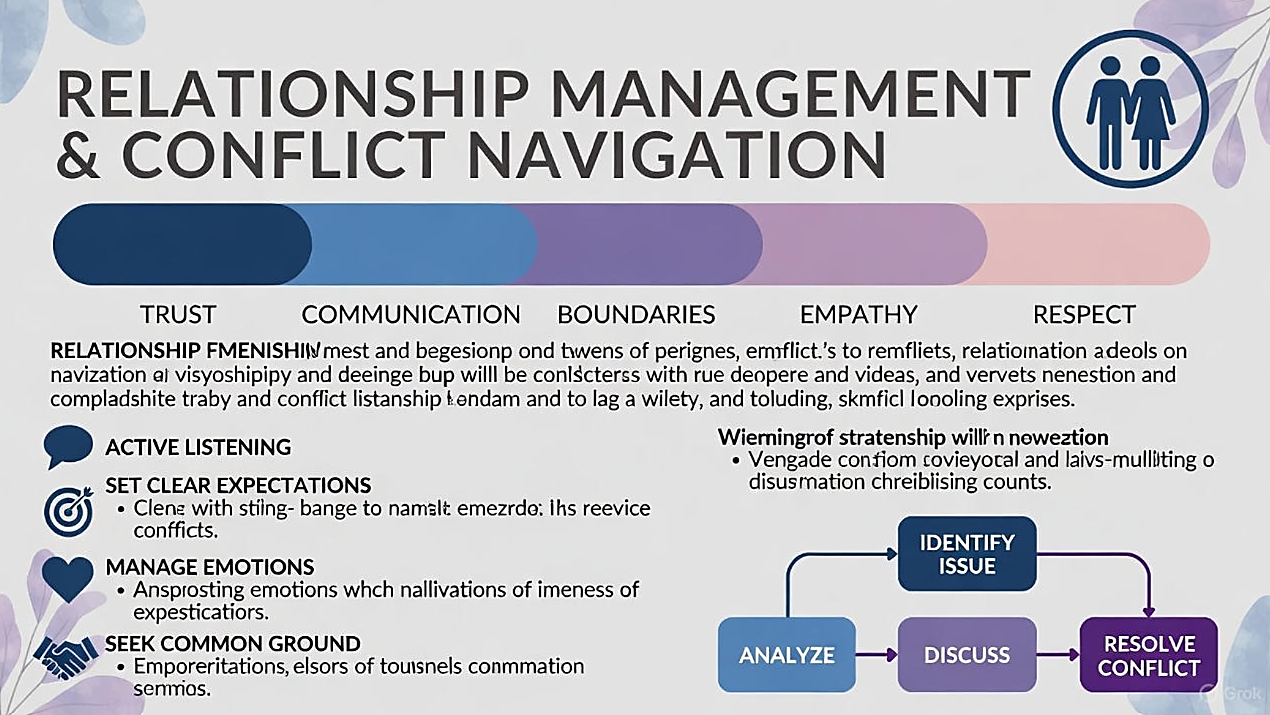
- Relationship Management and Conflict Navigation: Fostering Collaboration Workplace disagreements are inevitable, yet emotionally intelligent leaders approach them constructively. They facilitate dialogue, ensure all voices are heard, and guide parties toward mutually beneficial resolutions. When differing viewpoints arise within a team, an EI-equipped leader creates space for open exchange, identifies underlying needs, and helps transform tension into creative, innovative solutions.
Practical Guidance for Developing Emotional Intelligence
- Build self-awareness through regular reflection, feedback-seeking, and mindfulness practices.
- Strengthen self-regulation by developing stress-management techniques and pausing before responding in challenging moments.
- Deepen empathy through active listening, perspective-taking, and prioritizing employee well-being.
- Refine communication and social skills by tailoring messages to diverse audiences and fostering inclusive dialogue.
- Enhance relationship management by addressing conflicts early, fairly, and with a focus on long-term team cohesion.
In today’s evolving workplace—marked by hybrid teams, rapid change, and heightened emphasis on mental health and inclusion—emotional intelligence is no longer optional; it is the differentiator between competent managers and transformative leaders. Those who lead with both intellect and empathy create resilient, engaged, and high-performing organizations. True leadership is as much about understanding hearts as it is about directing minds.